

- 3 Jun, 2024
- 18 Views
- 0 Comment
Introduction
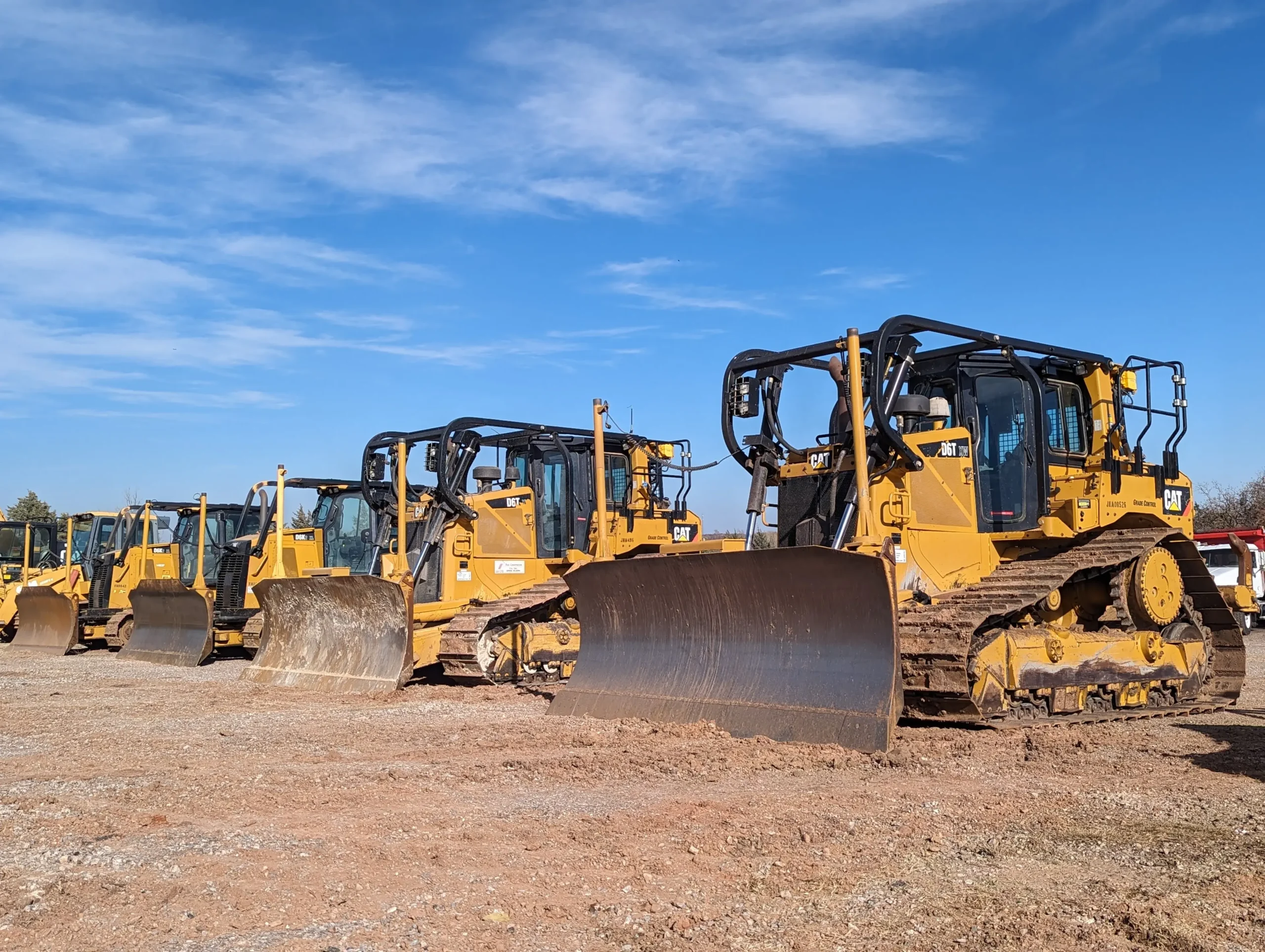
The Caterpillar D6T represents the evolution of CAT’s mid-size dozer lineup, building on decades of D6 heritage with modern technology and enhanced operator comfort. Since its introduction in 2004 as a replacement for the D6R, the D6T has become a go-to machine for contractors who need reliable pushing power without stepping up to larger dozers. Its combination of fuel efficiency, precision blade control, and proven durability has made it a fixture on job sites ranging from residential development to pipeline construction.
For equipment buyers, operators, and project managers, understanding the D6T’s specifications helps determine whether this 20-ton class dozer fits your operational needs and budget. This comprehensive guide breaks down the performance metrics, configuration options, and real-world capabilities that define the D6T’s value proposition. If you’re also considering the newer CAT D6 model, we have a complete specs guide available for comparison.
Key Caterpillar D6T Specs Overview
Whether you’re researching Caterpillar D6T specs for buying, shipping, selling, or maintenance, these key details will help guide your decisions. All specifications are based on manufacturer data and should be verified with your Cat dealer for your specific model and configuration.
D6T Engine Specs
- Engine Model: Cat C9.3 ACERT (Tier 4 Final models) / Cat C9 ACERT (earlier models)
- Emissions Compliance: U.S. EPA Tier 4 Final, EU Stage V, Korea Tier 4 Final
- Net Power: 215 hp (161 kW) at 2,200 rpm
- Gross Power (SAE J1995): 253 hp (189 kW) at 1,200 rpm
- Peak Torque: 793 lb-ft (1,075 Nm) at 1,500 rpm
- Displacement: 9.3 liters (568 cu in)
- Aspiration: Turbocharged with air-to-air aftercooling
Why It Matters: The D6T’s engine strikes an optimal balance between power and fuel economy. The ACERT technology reduces emissions while maintaining the torque curve needed for consistent blade loads, and the 215 hp net power rating provides enough muscle for most earthmoving tasks without the fuel consumption of larger dozers. For comparison, the newer CAT D6 offers 215 hp with its C9.3B engine, providing similar power with updated emissions technology.
Caterpillar D6T Weight and Operating Weight
- Standard D6T XL Operating Weight: 47,846 lb (21,703 kg)
- D6T XL SU Operating Weight: 47,138 lb (21,382 kg)
- D6T XW Operating Weight: 49,797 lb (22,588 kg)
- D6T LGP Operating Weight: 53,829 lb (24,417 kg)
- D6T XL VPAT Operating Weight: 53,042 lb (24,060 kg)
Why It Matters: The D6T’s weight range keeps it under common 50,000 lb transport limits for most configurations while providing enough mass for effective grading and pushing. The LGP variants distribute weight over larger track footprints, reducing ground pressure to as low as 5.11 psi for working in soft conditions or minimizing turf damage.
Dimensions of the D6T Dozer
- Track Gauge (Standard): 74.8 in (1,900 mm)
- Track Gauge (LGP/XW): 88.6 in (2,250 mm)
- Machine Width (Standard with blade): 10.7 ft (3,266 mm)
- Machine Width (XW with blade): 13.2 ft (4,018 mm)
- Overall Length (blade on ground): 16.9 ft (5,166 mm)
- Height to top of cab: 10.7 ft (3,271 mm)
- Ground Clearance: 14.5 in (369 mm)
Why It Matters: The D6T’s dimensions make it highly transportable on standard trailers while still providing substantial blade width for productivity. The relatively low cab height aids visibility and allows work under obstacles, while the ground clearance handles rough terrain and prevents high-centering on debris.
Blade Options for the Caterpillar D6T
- VPAT (Variable Pitch Angle Tilt) Blade: 6.07 yd³ (4.64 m³) capacity, 12.7 ft (3,880 mm) width
- Semi-U Blade: 5.17 yd³ (3.95 m³) capacity, 10.7 ft (3,261 mm) width
- Straight Blade: 4.96 yd³ (3.79 m³) capacity, 13.3 ft (4,063 mm) width
- Angle Blade: 5.17 yd³ (3.95 m³) capacity, 13.7 ft (4,160 mm) width
Why It Matters: Blade selection dramatically impacts productivity and versatility. The VPAT blade’s ability to change cutting angle on the fly makes it ideal for varied materials and precise grading. The Semi-U moves solid material efficiently for production dozing, while the angle blade excels at side-casting and pioneering work.
Transmission
- Type: Fully automatic 4-speed powershift transmission with lock-up clutch torque divider
- Maximum Travel Speed (Forward/Reverse): 7.2 mph (11.6 km/h)
- Steering: Differential steering with electro-hydraulic controls
- Features: Load sensing, auto downshift, directional shift management
Why It Matters: The D6T’s transmission eliminates gear hunting and provides smooth power delivery that reduces track slip and improves fuel efficiency. The differential steering system offers precise control for finish grading while maintaining full power to both tracks during turns.
Fuel and Hydraulic Systems
- Fuel Tank Capacity: 97.2 gallons (368 liters)
- Hydraulic System Type: Load sensing with variable displacement piston pump
- Implement Pump Flow: 54 gallons per minute (205 liters per minute)
- System Relief Pressure: 3,150 psi (21,700 kPa) non-VPAT / 3,540 psi (24,400 kPa) VPAT
- Hydraulic Tank Capacity: 16.5 gallons (62.5 liters)
Why It Matters: The large fuel capacity supports full-shift operation without refueling interruptions. The load-sensing hydraulics only use power when needed, improving fuel economy by up to 25% compared to older systems while maintaining responsive blade control for precision work.
Leave Your Comment: